
Key facts
- Fats, oils and grease, known as FOG, can clog pipes and cause costly damage to wastewater treatment facilities every year1
- FOG in storm drains can lead to stormwater violations and fines, while grease traps help prevent FOG from going into the sewer but must be regularly maintained and pumped out1
- FOG left from cooking starts as a liquid but solidifies and sticks to pipes as it cools, and small amounts can be cooled and thrown in the trash1
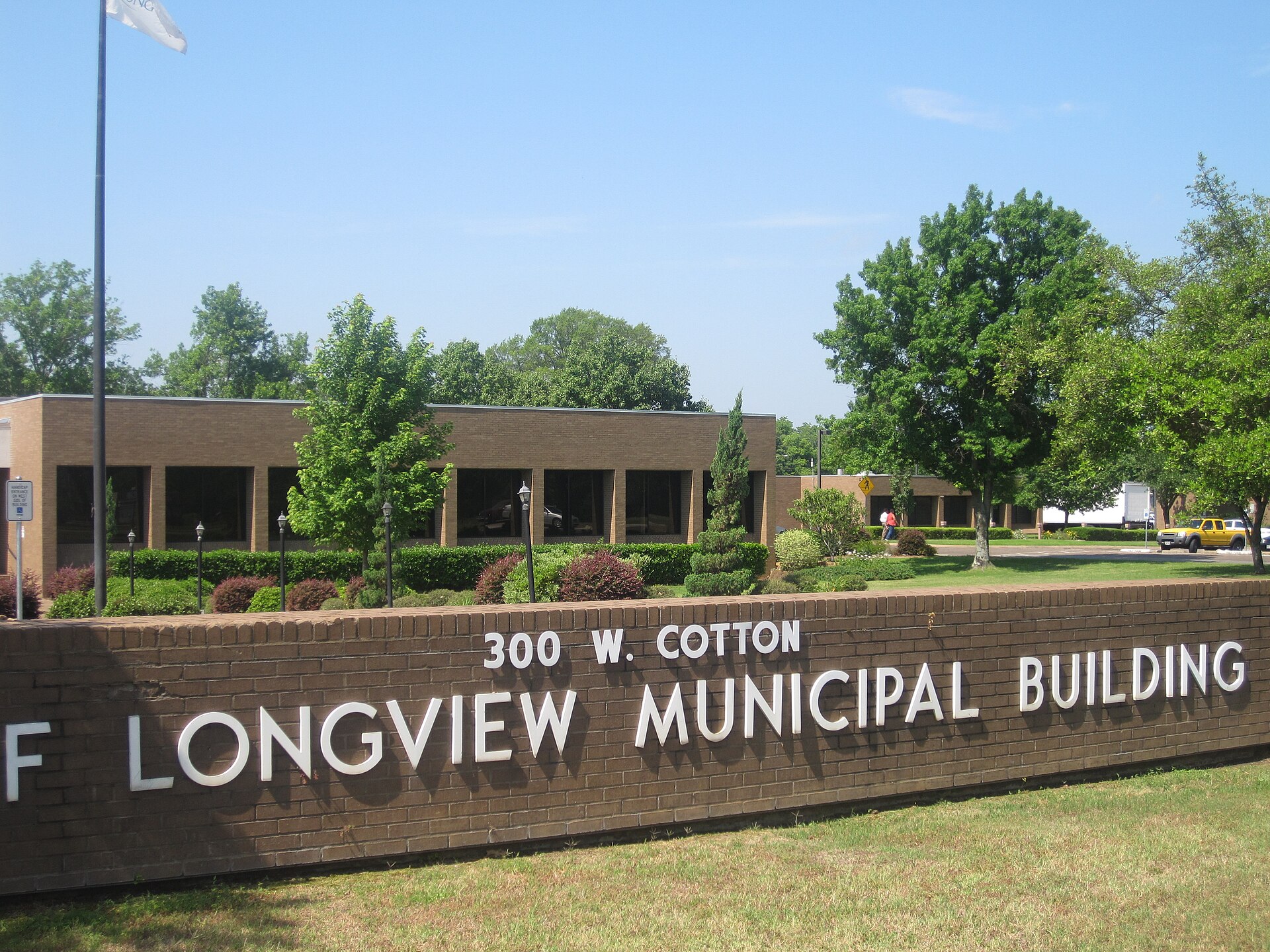
Fats, oils and grease, known as FOG, can cause serious damage when they go down the drain, Longview, Texas, said.1
FOG can block the flow through a pipe entirely, and FOG in storm drains pollutes stormwater and local waterways, leading to stormwater violations and fines.1 FOG that goes through sanitary sewers causes costly damage to wastewater treatment facilities every year.1
How FOG Clogs Pipes
FOG left over from cooking may start out as a liquid but solidifies and sticks to the inside of pipes as it cools..1 Over time, the flow through the pipe is restricted until it is blocked entirely.1
Proper FOG Disposal
For small amounts of FOG, place it in a sealable container, let it cool and throw it in the trash..1 Grease-soaked paper towels should also go in the trash..1 Leftover oil can be reused or recycled.1
It is better not to pour grease down the drain in the first place but to have it sent off to be recycled.1
What Restaurants And Traps Can Do
For commercial amounts of FOG waste, grease traps do help prevent FOG from going into the sewer but must be regularly maintained and pumped out.1